
What Is the difference between off grid and on grid solar energy
author: Green Keeper
2022-07-01
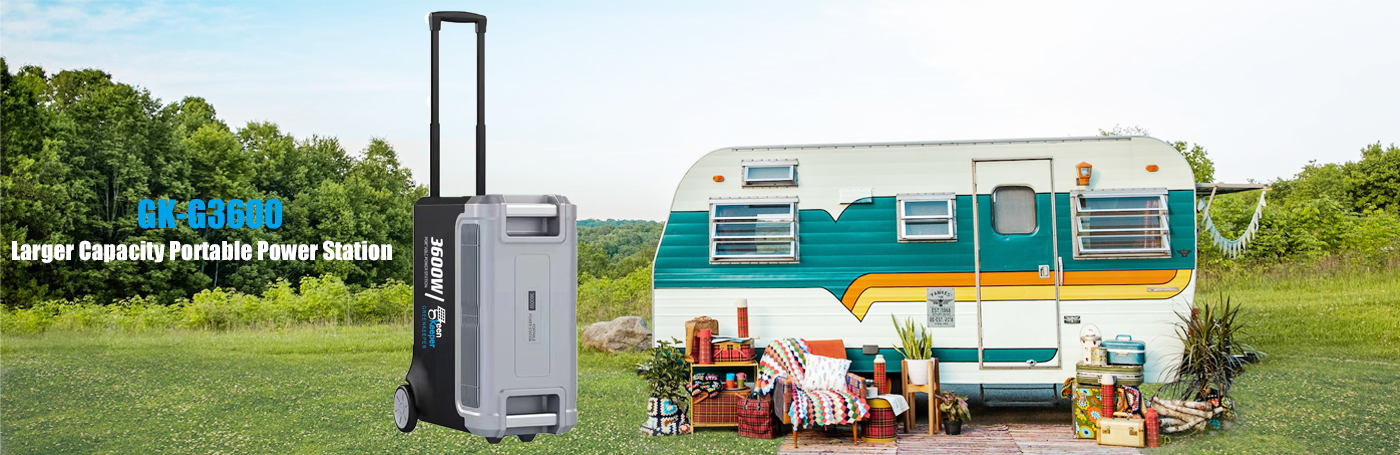
When it comes to installing a solar power system, there are a lot of decisions to make. And because you’re investing in equipment that will last many years, you want to make the right choices.
That’s why we’re sharing the main differences between on-grid and off-grid solar power to help you decide which is best for your solar project.
That’s why we’re sharing the main differences between on-grid and off-grid solar power to help you decide which is best for your solar project.
Access to electricity
Off-grid
An off-grid system has no outside source to access electricity. It can only have power when the system is producing it. This means there will be access to electricity only when there is sunlight. To have access to electricity at all times, an off-grid system must have a massive battery backup that can store electricity produced during the daytime and then supply it when the system is not producing electricity. If there is a higher electricity demand, a generator may also need to be connected to the off-grid system.
On-grid
An on-grid system is connected to the utility grid, making access to electricity easier. You can enjoy electricity even when your solar system is not working or producing sufficient electricity to meet your needs. Being connected to the grid helps you to enjoy electricity at all times, whether you are producing it or not. However, in case of a utility power failure, your on-grid system will also seize to operate.
Off-grid
An off-grid system has no outside source to access electricity. It can only have power when the system is producing it. This means there will be access to electricity only when there is sunlight. To have access to electricity at all times, an off-grid system must have a massive battery backup that can store electricity produced during the daytime and then supply it when the system is not producing electricity. If there is a higher electricity demand, a generator may also need to be connected to the off-grid system.
On-grid
An on-grid system is connected to the utility grid, making access to electricity easier. You can enjoy electricity even when your solar system is not working or producing sufficient electricity to meet your needs. Being connected to the grid helps you to enjoy electricity at all times, whether you are producing it or not. However, in case of a utility power failure, your on-grid system will also seize to operate.
Grid power outages
Off-grid
If we compare on-grid and off-grid solar systems in terms of power outages, off-grid seems more beneficial. Since this system operates independently, it does not get affected due to power cuts.
In case of a storm or other conditions that result in a power cut, the off-grid panels continue to function.
On-grid
Although an on-grid power system provides sufficient power every time of the day and night, you will have power outages if the grid goes down.
If you want to avoid such situations, you can buy a battery bank. This system is known as a hybrid system.
Off-grid
If we compare on-grid and off-grid solar systems in terms of power outages, off-grid seems more beneficial. Since this system operates independently, it does not get affected due to power cuts.
In case of a storm or other conditions that result in a power cut, the off-grid panels continue to function.
On-grid
Although an on-grid power system provides sufficient power every time of the day and night, you will have power outages if the grid goes down.
If you want to avoid such situations, you can buy a battery bank. This system is known as a hybrid system.
Power generation
Off-grid
An off-grid system produces electricity according to the sunlight it receives throughout the day.
During noon time, when the sun's rays have maximum intensity, the system produces surplus electricity. You need the proper equipment to make appropriate use of this excessive power.
The off-grid systems produce extra electricity during the day to provide sufficient power when it gets dark. Therefore, it is crucial to have powerful batteries to store the energy being produced.
On-grid
Similar to an off-grid system, a grid-tied solar system also produces excess power when solar cells receive enormous amounts of sunlight during sunshine hours.
However, in this system, the surplus power is transferred to the commercial grid. A bi-directional meter keeps a record of the units generated and consumed.
In this system, there is no requirement for a battery backup. It uses a net metering system which compensates the user’s account for the amount of surplus power transferred to the grid. It ensures that the customers pay only for the extra units they use from the grid.
Off-grid
An off-grid system produces electricity according to the sunlight it receives throughout the day.
During noon time, when the sun's rays have maximum intensity, the system produces surplus electricity. You need the proper equipment to make appropriate use of this excessive power.
The off-grid systems produce extra electricity during the day to provide sufficient power when it gets dark. Therefore, it is crucial to have powerful batteries to store the energy being produced.
On-grid
Similar to an off-grid system, a grid-tied solar system also produces excess power when solar cells receive enormous amounts of sunlight during sunshine hours.
However, in this system, the surplus power is transferred to the commercial grid. A bi-directional meter keeps a record of the units generated and consumed.
In this system, there is no requirement for a battery backup. It uses a net metering system which compensates the user’s account for the amount of surplus power transferred to the grid. It ensures that the customers pay only for the extra units they use from the grid.
Purchase solar power systems from us
On-grid or off-grid, both types of solar power systems have their own set of advantages and disadvantages. What makes each one ideal is the user requirement and priorities. Contact us to learn more about our solar system solutions.
On-grid or off-grid, both types of solar power systems have their own set of advantages and disadvantages. What makes each one ideal is the user requirement and priorities. Contact us to learn more about our solar system solutions.
How to Choose the solar batteries for System?
Related Article
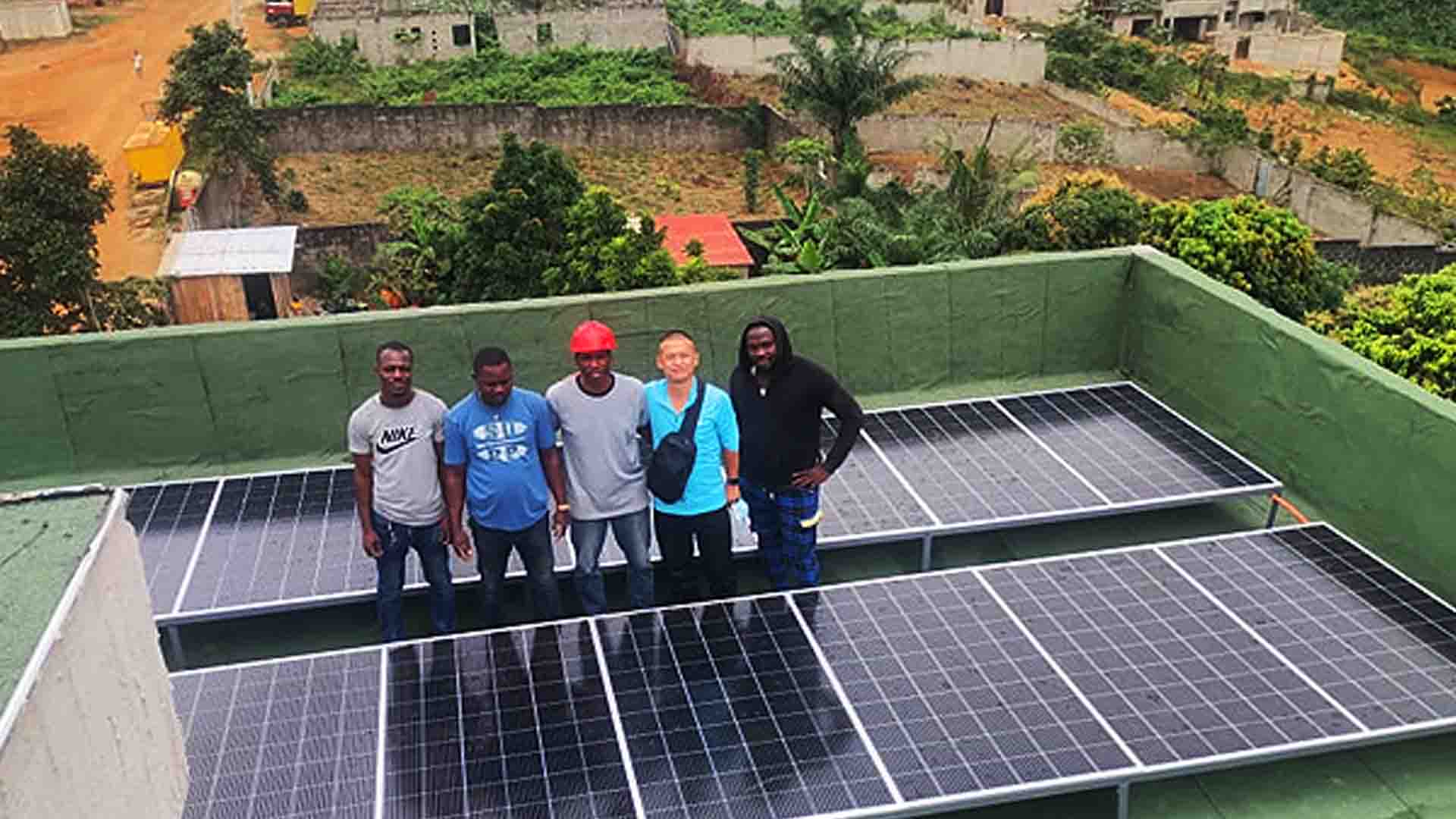
Meeting global energy demands is a challenge due to strained power grids and limited resources. Solar energy, particularly off-grid power systems, offers promise by harnessing sunlight for electricity, addressing grid overload and high costs. African nations, with abundant sun, are ideal for solar adoption. Solar power's cost-effectiveness, independence for remote regions, and climate compatibility make it transformative.
Embracing Solar Energy Solutions for a Sustainable Future
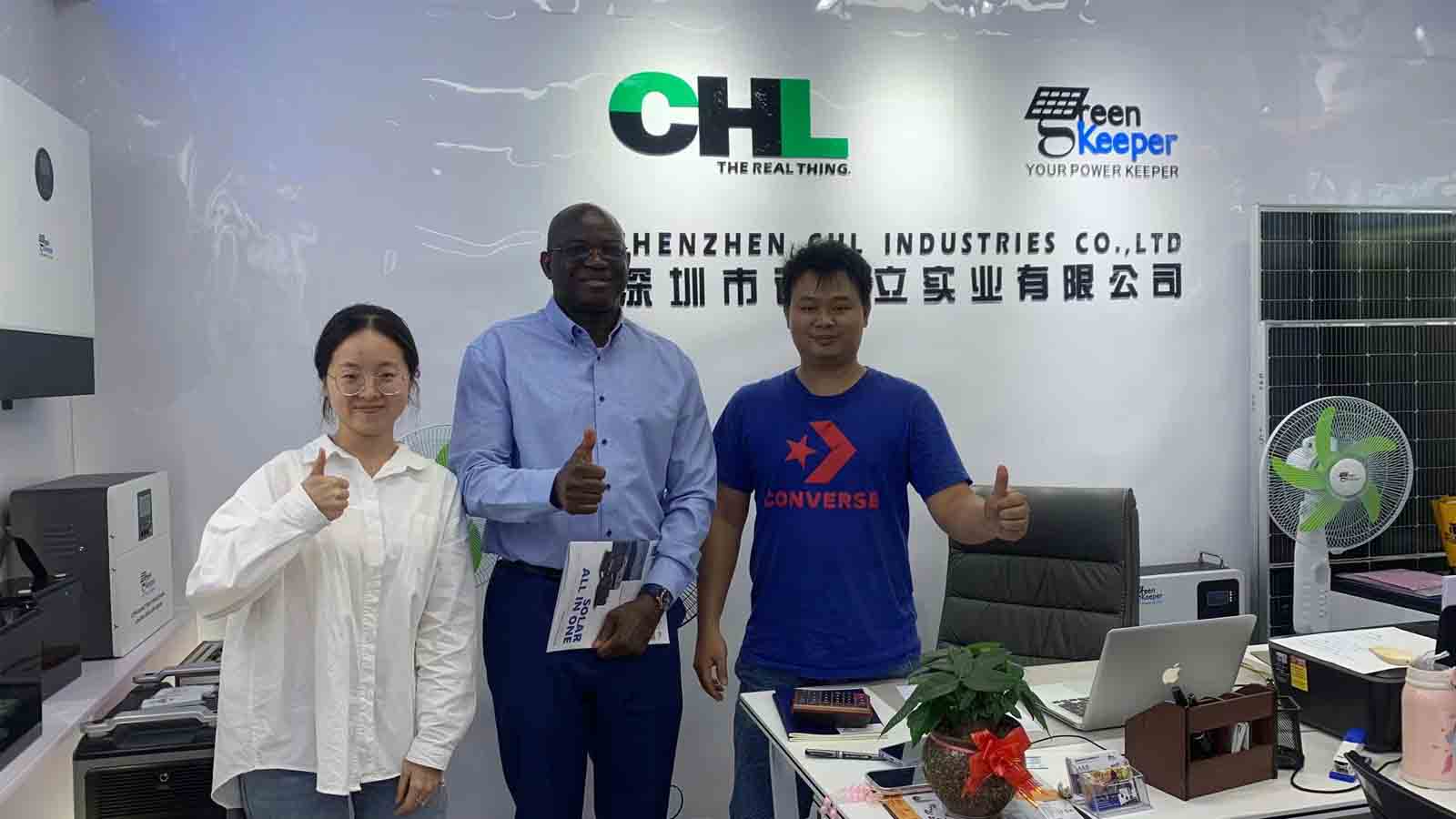
Yiwu, China - In an effort to strengthen bilateral cooperation and explore potential business opportunities, the Gambian Ambassador paid a visit to the Yiwu branch of Shenzhen CHL Industries Co., Ltd, a leading manufacturer of renewable energy products. The ambassador's visit aimed to foster economic ties between The Gambia and China, with a particular focus on renewable energy solutions.
Gambian Ambassador Visits CHL Branch in Yiwu, China
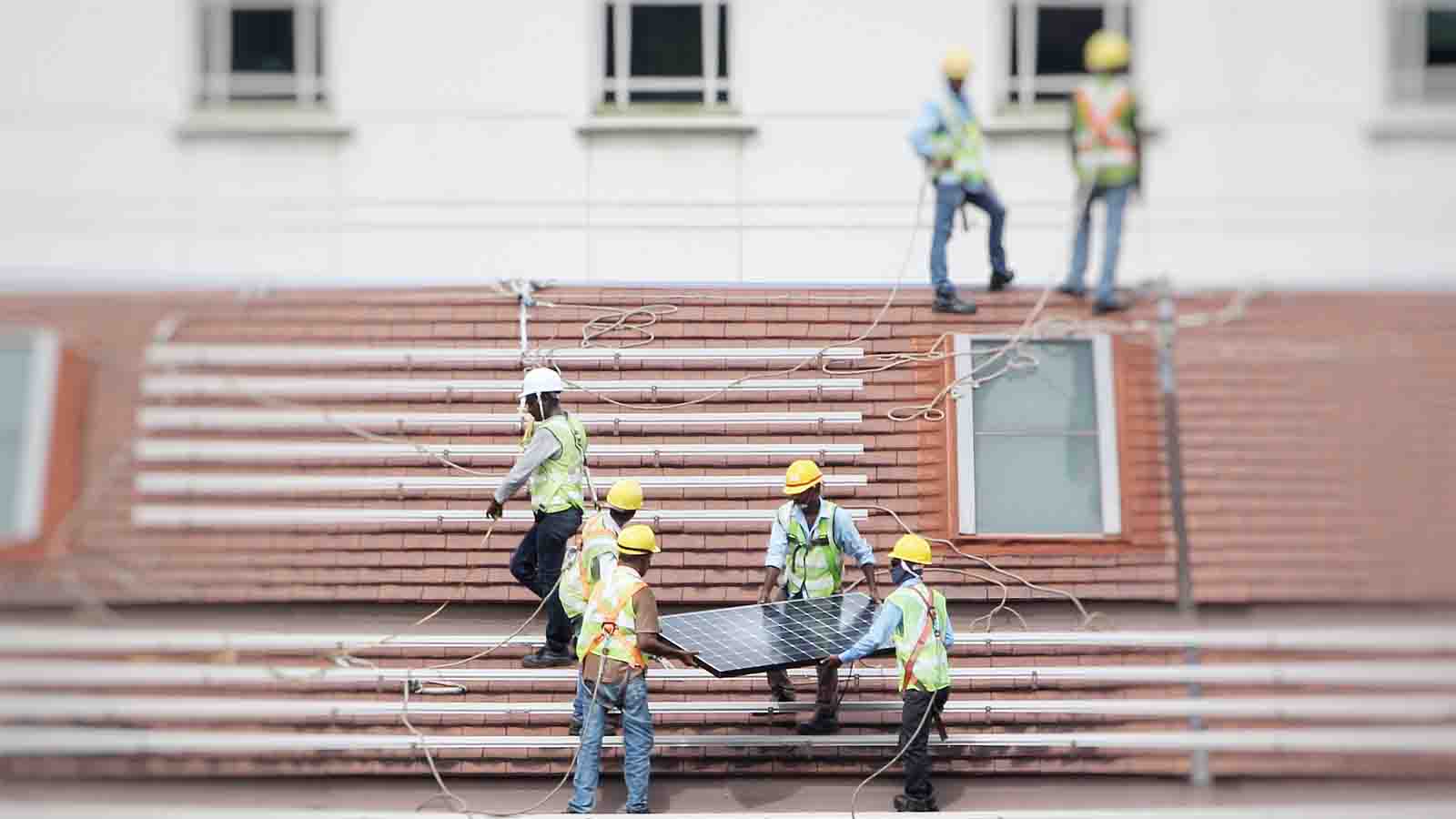
The evolution of power banks into portable power stations, which can charge heavy appliances and are better than gas-powered generators. It highlights the features to look for in a portable power station, including high charging capabilities, multiple ports, sine wave technology, multiple charging methods, portability, and affordability.
What to look for in a portable power station?
It highlights the need to research before investing money into solar panel systems, as not all systems are equal. The article provides guidance on how to buy solar panel systems and outlines factors to consider, such as the size and efficiency of the panel, durability of components, and warranty period.
A guide to buying solar energy systems