
How to Keep solar batteries warm in winter?
author: Green Keeper
2023-07-25

As solar power becomes increasingly popular around the world, many homeowners and businesses are opting for solar batteries to store energy for use during times when the sun isn't shining.
However, during the winter months, colder temperatures can have a significant impact on the performance and lifespan of your solar battery.
In this article, we'll explore some of the best ways to keep solar batteries warm in the winter to ensure optimal performance and longevity.
However, during the winter months, colder temperatures can have a significant impact on the performance and lifespan of your solar battery.
In this article, we'll explore some of the best ways to keep solar batteries warm in the winter to ensure optimal performance and longevity.
Why do solar batteries need to be kept warm in the winter?
Solar batteries rely on chemical reactions to store and release energy. These chemical reactions are temperature-dependent, which means that colder temperatures can cause the batteries to perform poorly.
Solar batteries rely on chemical reactions to store and release energy. These chemical reactions are temperature-dependent, which means that colder temperatures can cause the batteries to perform poorly.
In fact, for every 10°C drop in temperature, the performance of a lead-acid battery can decrease by up to 50%.
Moreover, if solar batteries are exposed to very cold temperatures for an extended period, it can lead to irreversible damage and shorten the battery's lifespan.
How to keep solar batteries warm in the winter
1.Install your solar batteries in a warm location
The location where you install your solar batteries can have a significant impact on their performance in the winter. If possible, install your batteries in a location that's protected from cold winds and receives plenty of sunshine.
The location where you install your solar batteries can have a significant impact on their performance in the winter. If possible, install your batteries in a location that's protected from cold winds and receives plenty of sunshine.
If your solar batteries are installed in an unheated garage or shed, consider insulating the walls and roof to help retain heat.
2.Use battery blankets or heating pads
Battery blankets and heating pads are designed to keep solar batteries warm during the winter months. These devices are typically powered by electricity and can be placed directly on top of the battery.
Battery blankets and heating pads are designed to keep solar batteries warm during the winter months. These devices are typically powered by electricity and can be placed directly on top of the battery.
Battery blankets and heating pads are especially useful for batteries that are installed in locations where it's difficult to keep the temperature above freezing.
3.Charge your batteries regularly
When solar batteries are fully charged, they generate heat. By charging your batteries regularly, you can help keep them warm during the winter months.
When solar batteries are fully charged, they generate heat. By charging your batteries regularly, you can help keep them warm during the winter months.
Additionally, fully charged batteries are less likely to freeze, which can cause irreversible damage.
4.Use a battery thermal management system
Battery thermal management systems (BTMS) are designed to keep solar batteries within a specific temperature range. These systems typically use sensors to monitor the temperature of the batteries and adjust the heating or cooling as needed.
Battery thermal management systems (BTMS) are designed to keep solar batteries within a specific temperature range. These systems typically use sensors to monitor the temperature of the batteries and adjust the heating or cooling as needed.
BTMS can be especially useful for larger battery banks that are installed in locations where it's difficult to control the temperature manually.
5.Consider using lithium-ion batteries
lithium-ion batteries are less temperature-sensitive than lead-acid batteries, which means they're less affected by colder temperatures.
lithium-ion batteries are less temperature-sensitive than lead-acid batteries, which means they're less affected by colder temperatures.
Moreover, lithium-ion batteries have a longer lifespan and are more efficient than lead-acid batteries. While lithium-ion batteries are more expensive than lead-acid batteries, they may be a better long-term investment for those living in colder climates.
Partner with us for High-Quality Solar Batteries
Keeping solar batteries warm in the winter is crucial to ensuring optimal performance and longevity.
By installing your batteries in a warm location, using battery blankets or heating pads, charging your batteries regularly, using a battery thermal management system, and considering lithium-ion batteries, you can help protect your investment.
Besides protecting your investment, you can also ensure that your solar system continues to provide reliable energy throughout the winter months. Contact us today for your High quality and first-rate Solar batteries.
How to Choose the Right Portable Power Station?
How to Choose the solar batteries for System?
Related Article
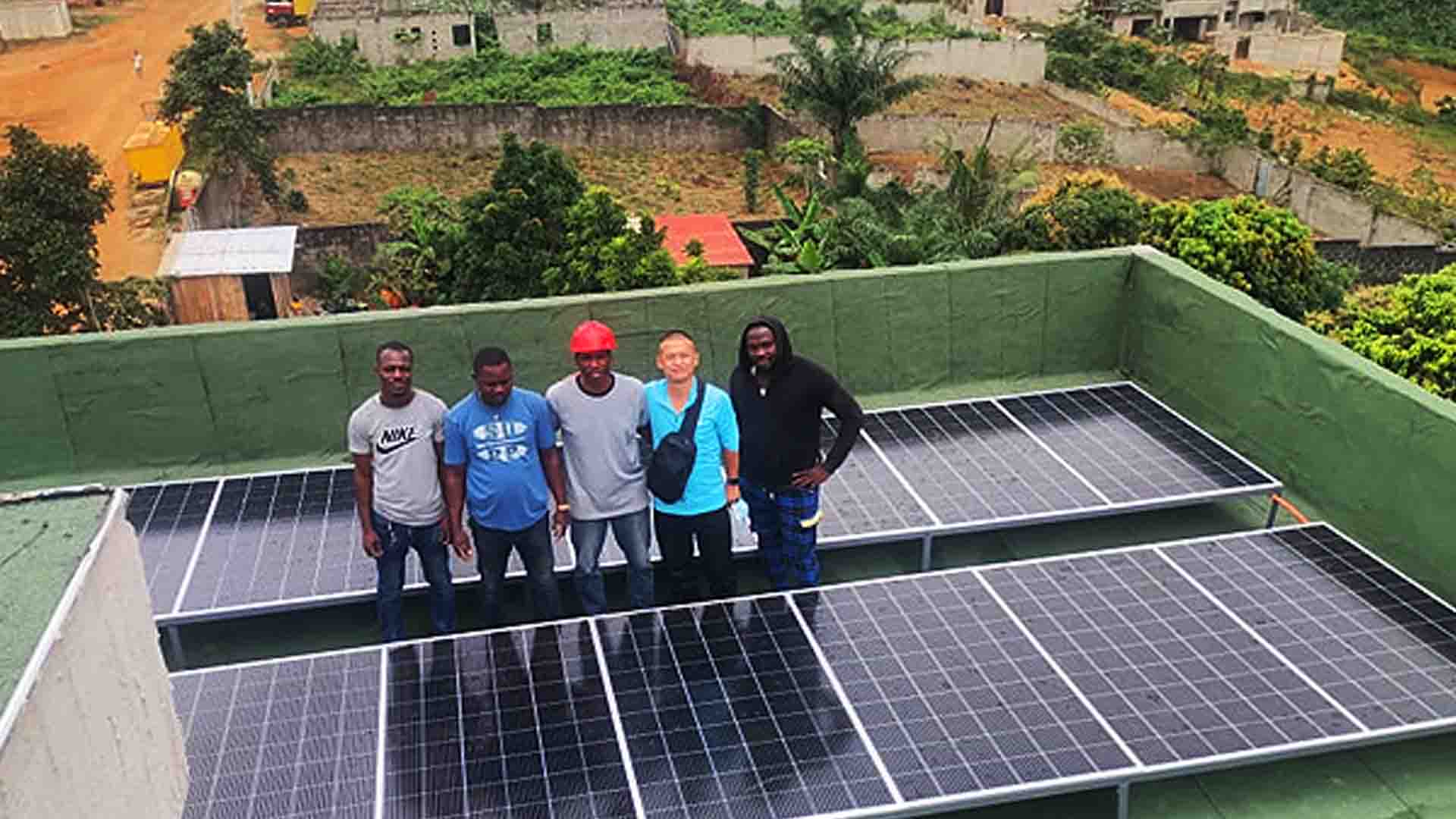
Meeting global energy demands is a challenge due to strained power grids and limited resources. Solar energy, particularly off-grid power systems, offers promise by harnessing sunlight for electricity, addressing grid overload and high costs. African nations, with abundant sun, are ideal for solar adoption. Solar power's cost-effectiveness, independence for remote regions, and climate compatibility make it transformative.
Embracing Solar Energy Solutions for a Sustainable Future
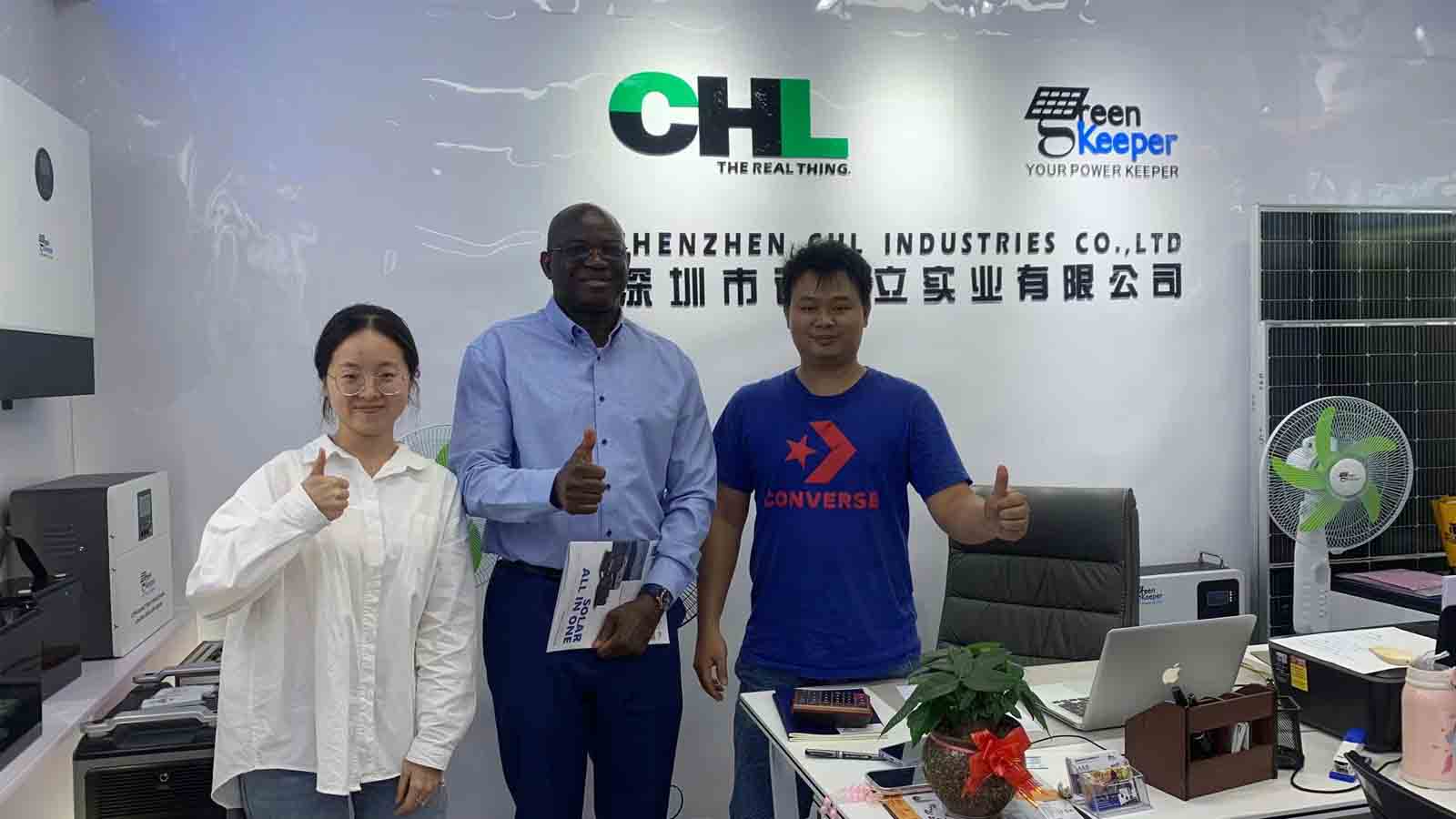
Yiwu, China - In an effort to strengthen bilateral cooperation and explore potential business opportunities, the Gambian Ambassador paid a visit to the Yiwu branch of Shenzhen CHL Industries Co., Ltd, a leading manufacturer of renewable energy products. The ambassador's visit aimed to foster economic ties between The Gambia and China, with a particular focus on renewable energy solutions.
Gambian Ambassador Visits CHL Branch in Yiwu, China

The evolution of power banks into portable power stations, which can charge heavy appliances and are better than gas-powered generators. It highlights the features to look for in a portable power station, including high charging capabilities, multiple ports, sine wave technology, multiple charging methods, portability, and affordability.
What to look for in a portable power station?
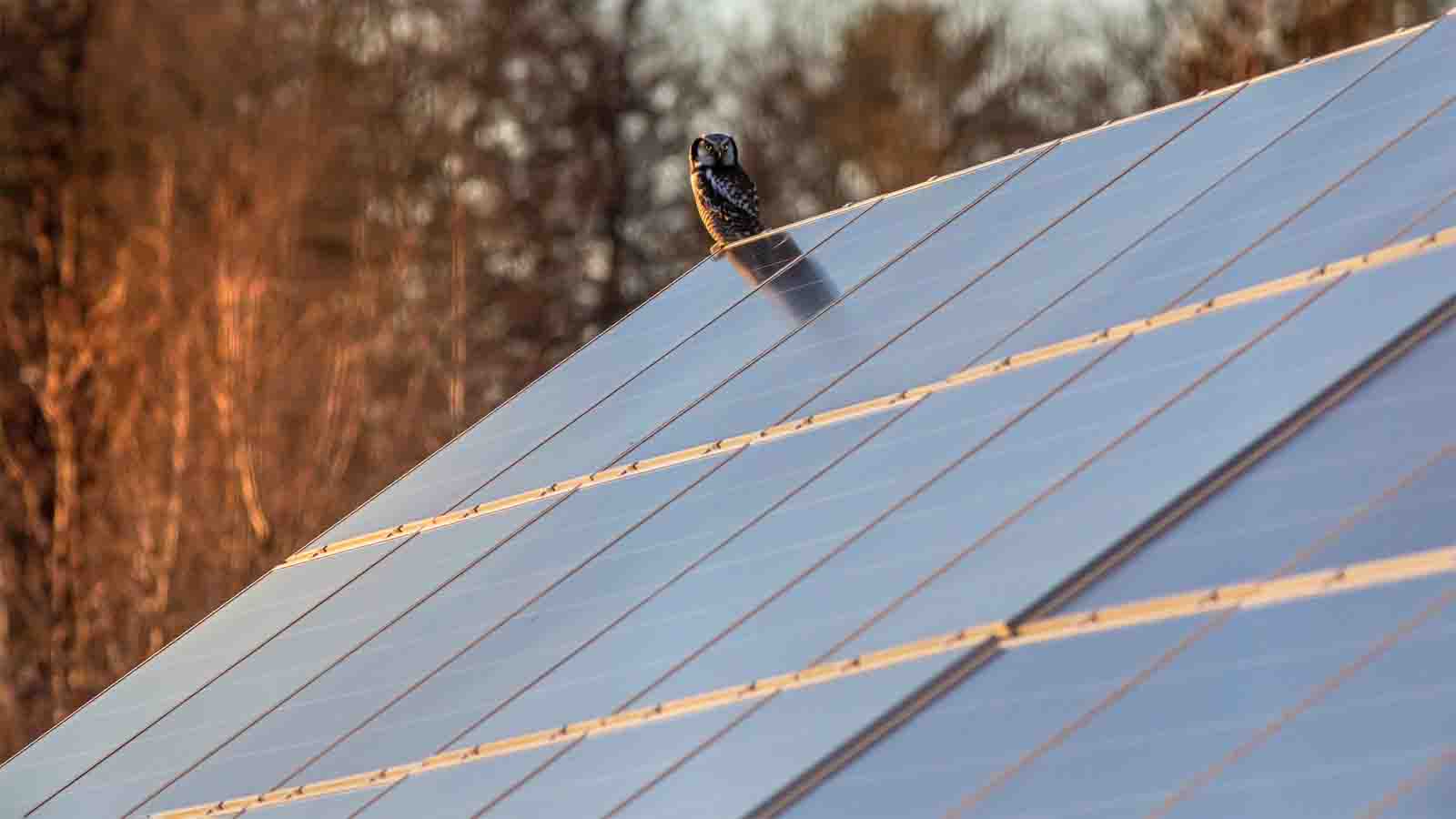
It highlights the need to research before investing money into solar panel systems, as not all systems are equal. The article provides guidance on how to buy solar panel systems and outlines factors to consider, such as the size and efficiency of the panel, durability of components, and warranty period.
A guide to buying solar energy systems